







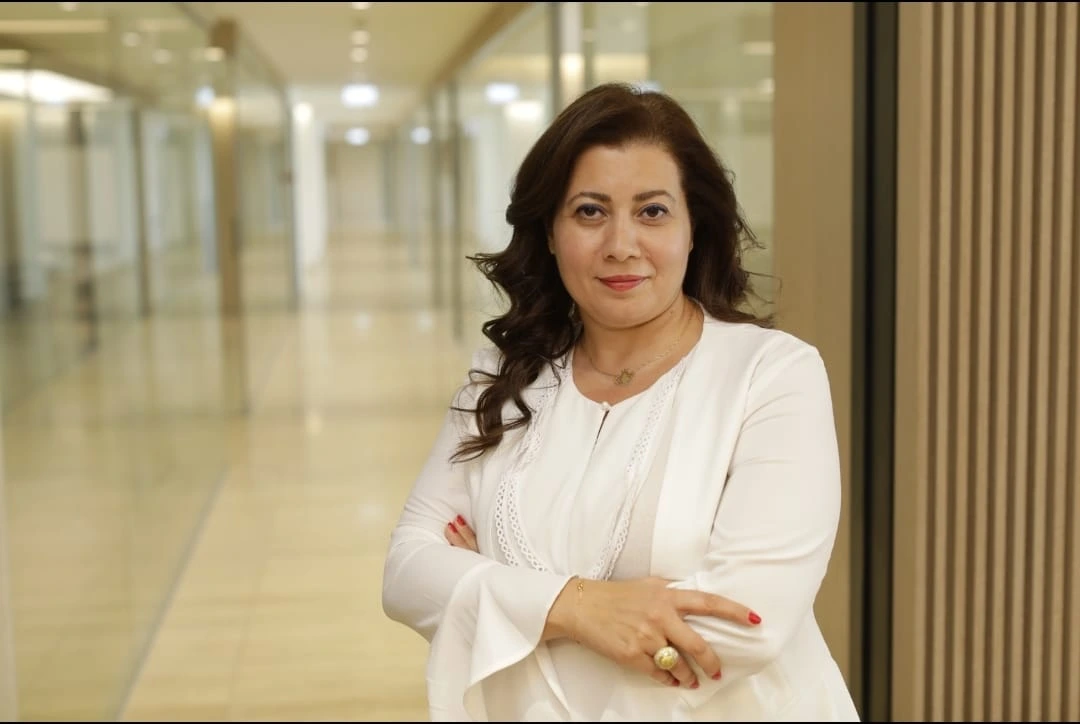
An interview with Chantal Choufani, CEO of Wide Plains Insurance Brokers
For business leaders, insurance becomes personal when a disruption threatens something they have spent years building. Chantal Choufani discusses how companies can make better protection decisions—and how WPIB’s relationships across MENA and Africa support that work.
1. COULD YOUR BUSINESS SURVIVE A WEEK OFFLINE? THE CYBER INSURANCE CONVERSATION
Business Gate: Imagine a company suddenly loses access to its systems. What should its CEO be asking?
Chantal: “Can we still serve our customers, pay our people and collect our money?”
Those questions bring cyber risk into focus. An incident may begin with technology, but its consequences quickly reach finance, operations and customer relationships.
For some businesses, even a short interruption can create a serious cash-flow problem. That is why this conversation belongs at management level.
Business Gate: Many businesses believe their IT provider has this covered. Is that enough?
Chantal: A capable IT provider and strong cybersecurity are essential, but they should work alongside cyber insurance—just as fire extinguishers complement fire insurance. After Norsk Hydro’s 2019 cyberattack, backups helped restore its systems, while insurance helped cover its losses. The lesson is clear: security helps prevent and contain incidents; appropriate insurance provides financial protection when they occur, subject to policy terms.
Who makes decisions? Who coordinates the response? How will customers be informed? What costs could the business face?
The aim is to have those conversations while everyone can think clearly, before an incident puts the team under pressure.
Business Gate: Where does cyber insurance fit, and how can WPIB help?
Chantal: Cyber insurance can form part of that preparation. Depending on the policy, it may provide access to specialist response services and cover certain recovery costs, business interruption losses or liabilities.
The details matter. Coverage, exclusions, security requirements and notification procedures need to be understood before a claim.
At WPIB, our starting point is the business itself: how it operates, what it depends on and where an interruption would hurt most. That helps us discuss suitable protection with the client and the insurance market.
2. THE CHEAPEST POLICY COULD BECOME YOUR MOST EXPENSIVE DECISION
Business Gate: With companies watching every dollar, why shouldn’t the lowest premium win?
Chantal: Cost discipline is sensible. As business leaders, we all have to justify expenditure.
But a premium tells us only part of the story. A lower price may come with a higher deductible, narrower protection or a limit that falls short of the potential loss.
The useful question is: “What are we saving today, and what exposure are we keeping in return?”
Business Gate: What gaps can business owners easily overlook?
Chantal: Sometimes the business has changed, but the insurance has stood still.
A company may have added a warehouse, entered a new country, bought equipment or become more dependent on one supplier. Its policy may still reflect the business as it was several years ago.
Consider a manufacturer whose equipment values have increased significantly. Renewing the old insured values may keep the premium comfortable, but could leave a painful shortfall after a major loss, depending on the policy terms.
Business Gate: How does WPIB approach that discussion without simply recommending more insurance?
Chantal: We start by listening. What could materially affect the company? What loss could it absorb itself? Where does it need financial protection?
That may lead to adjusting limits, reconsidering deductibles or removing unnecessary overlap. Sometimes the priority is improving a process rather than buying additional cover.
Our role is to help clients understand their choices. And when a claim occurs, helping them navigate the process and present the supporting information is an important part of the broker’s value.
3. GROWING ACROSS MENA AND AFRICA: IS YOUR PROTECTION KEEPING PACE?
Business Gate: What can happen when a company expands faster than its insurance programme?
Chantal: The company can find itself carrying exposures that nobody deliberately agreed to take.
A new operation brings different assets, employees, contracts and responsibilities. The arrangements that worked at home may not suit the new market.
Expansion is exciting. Insurance deserves a place in that planning conversation early enough to support the opportunity.
Business Gate: Why can’t a group simply use the same policy everywhere?
Chantal: Consistency is useful, but each country has its own requirements and market conditions.
The practical questions matter too. Which entity is insured? How does local cover connect with the group programme? Who will assist locally if something goes wrong?
A programme should make sense both to the finance team at headquarters and to the manager who needs help on the ground.
Business Gate: What does WPIB bring to companies operating across the region?
Chantal: We help connect the overall business picture with the insurance arrangements needed in each market.
That involves understanding the client’s activities, working with relevant market partners and coordinating responsibilities so that important details are less likely to fall between different parties.
We welcome conversations with companies expanding across MENA and Africa, particularly when they want a clearer view of how their protection fits together.
4. LOCAL EXPERTISE, REGIONAL REACH: PARTNERSHIPS THAT MAKE PROTECTION WORK
Business Gate: You place considerable emphasis on partnerships. What do they mean for the client?
Chantal: They should mean access to the right expertise and a more coordinated service.
No single organisation has every answer in every country or specialist field. Strong relationships allow us to bring the appropriate people into a discussion, whether that is an insurer, reinsurer, local broker or technical specialist.
The client should feel that the people involved understand their business and are working towards the same objective.
Business Gate: What do you look for in an insurance partner?
Chantal: Technical competence matters, of course. So do responsiveness, clear communication and a responsible approach to claims.
We value partners who are willing to understand a difficult exposure, explain their position and work through a problem constructively.
Trust develops through everyday interactions. It becomes especially valuable when a client faces a difficult moment.
Business Gate: Where would you like to build new relationships?
Chantal: We are interested in relationships that strengthen what we can deliver to corporate clients across MENA and Africa.
That includes specialist capabilities in areas such as cyber, international medical insurance and complex commercial risks, alongside dependable local market support.
We welcome discussions with insurers, reinsurers, brokers and risk specialists who see opportunities to work together and bring useful solutions to businesses.
Business Gate: What would you like readers to take away from this interview?
Chantal: Make time to ask whether your protection still reflects your business.
You do not need to wait for a renewal—or a loss—to start that conversation. A change in your operations, a new contract or an expansion plan can be the right moment.
For us at WPIB, the relationship starts there: understanding what you are building, what could interrupt it and how we can help you protect it.





لا يوجد تعليق